Pointe-à-Pitre
Santa Marta
From 05/09/2025 to 10/09/2025 on Artemis

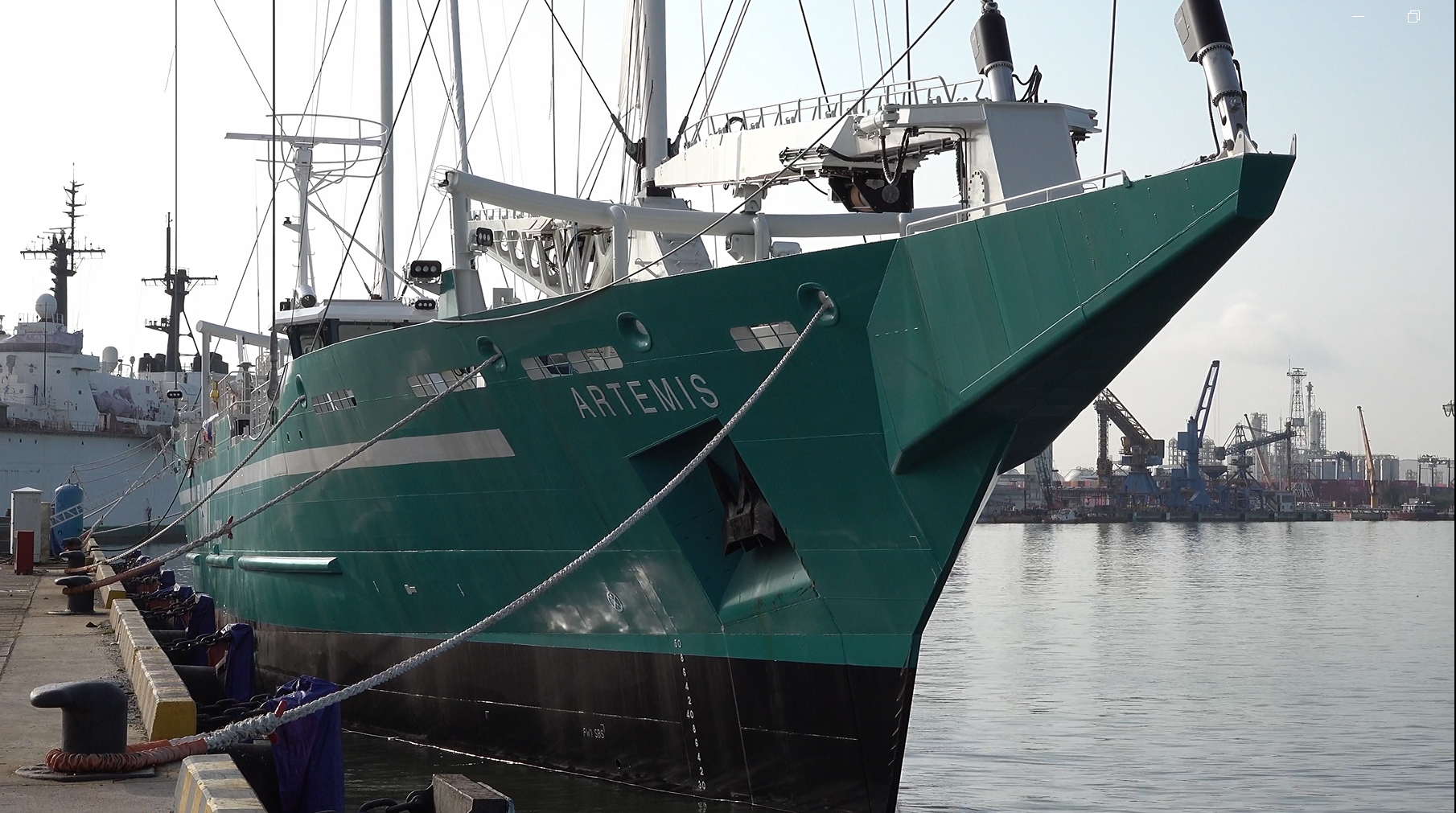
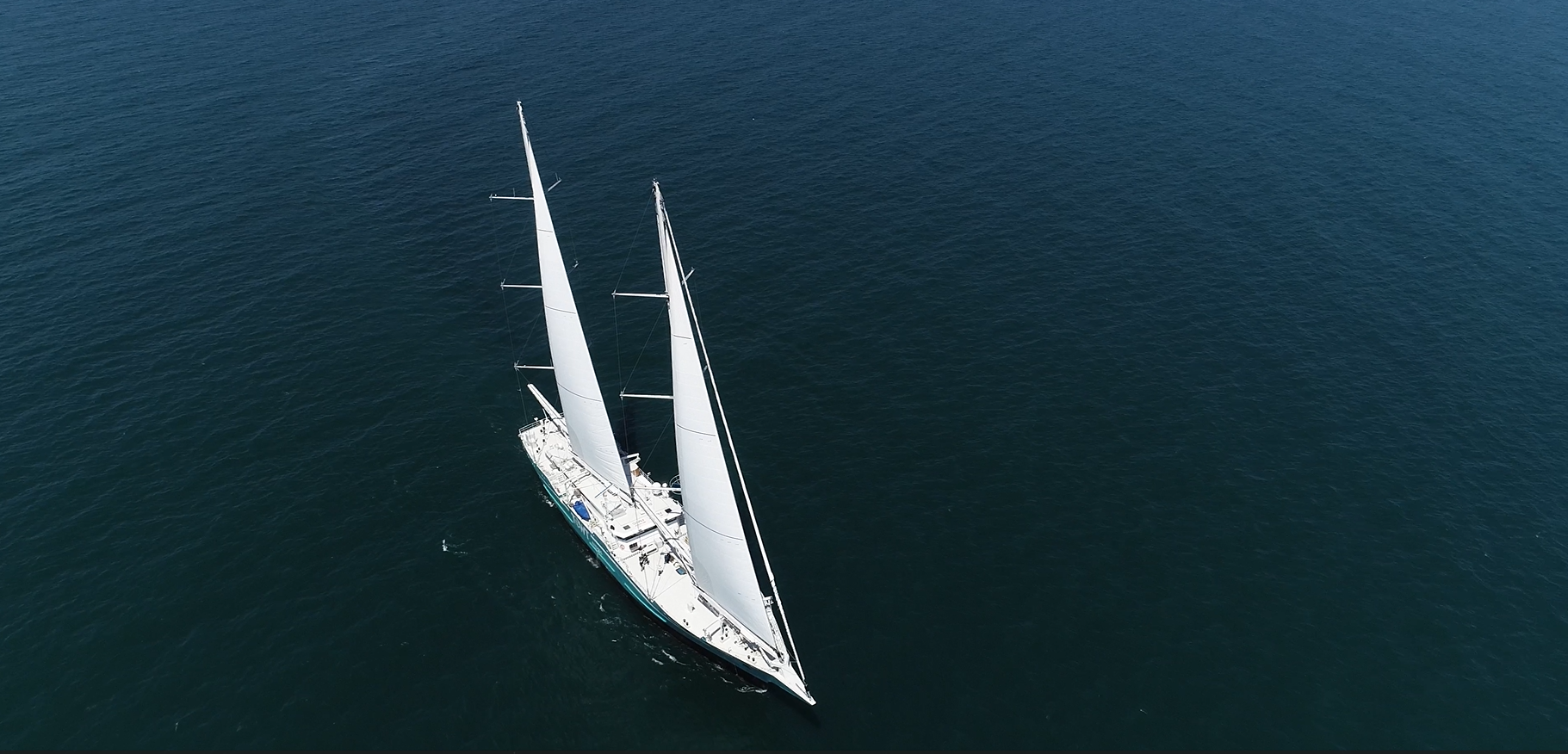
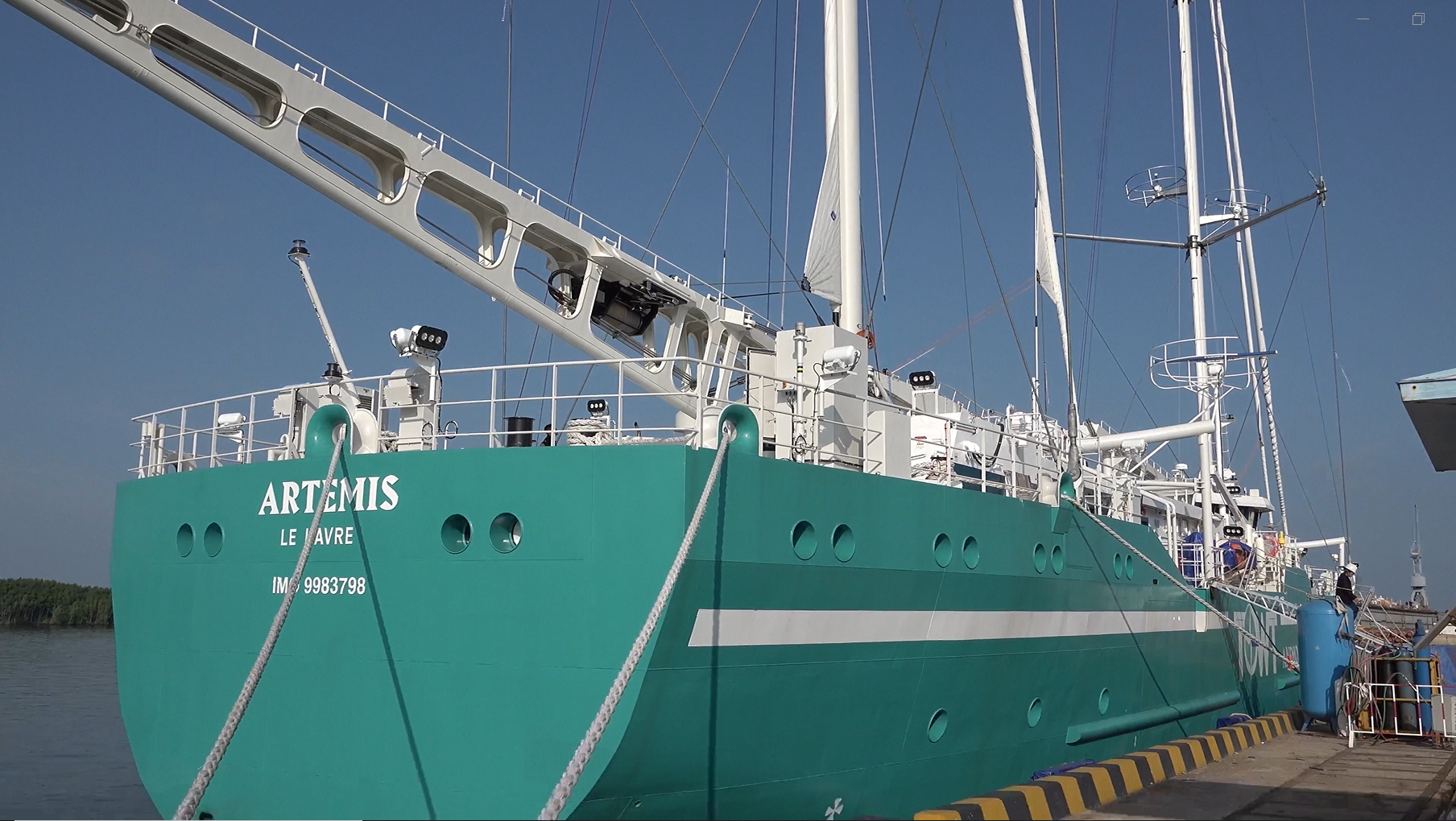
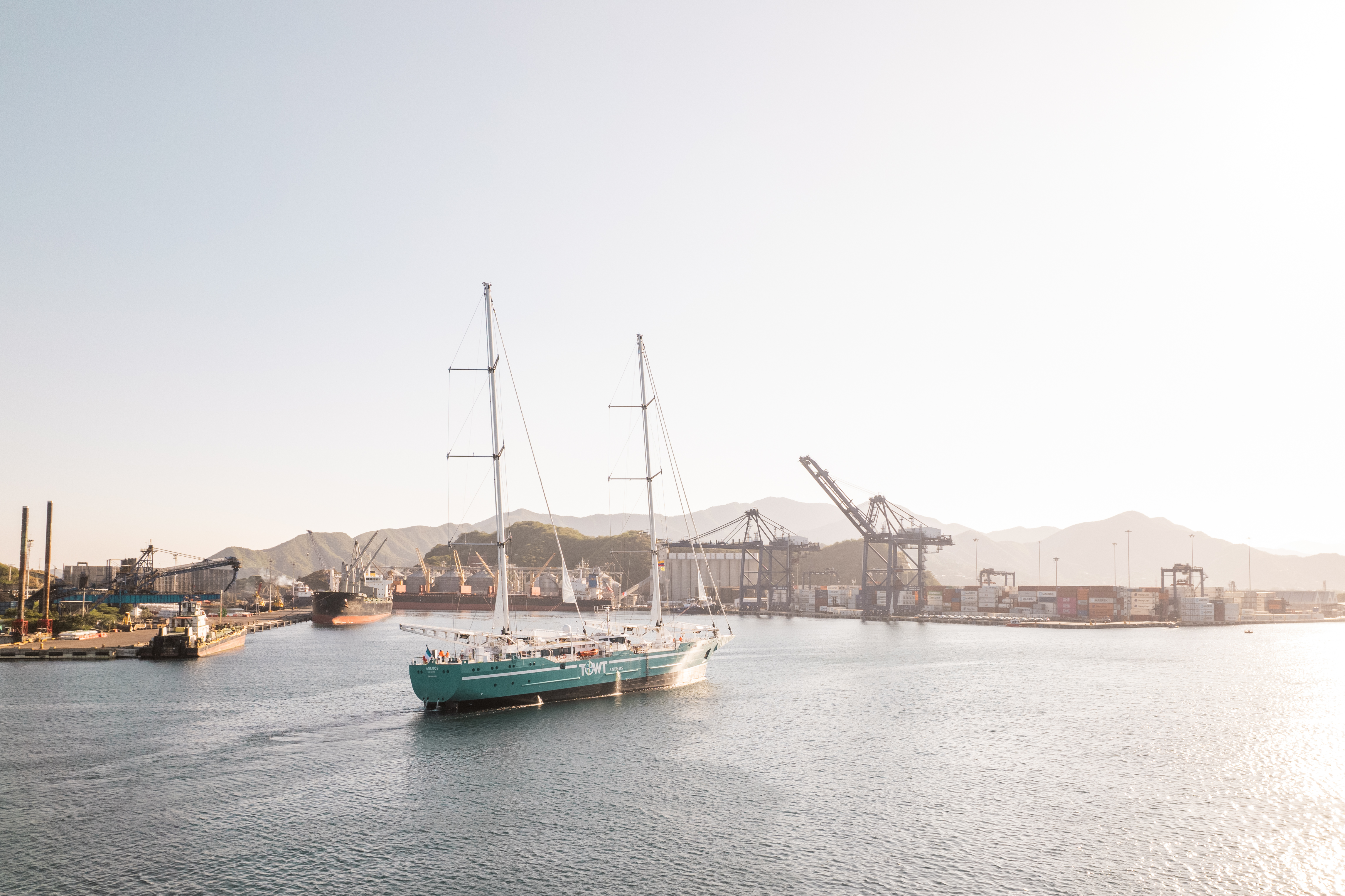
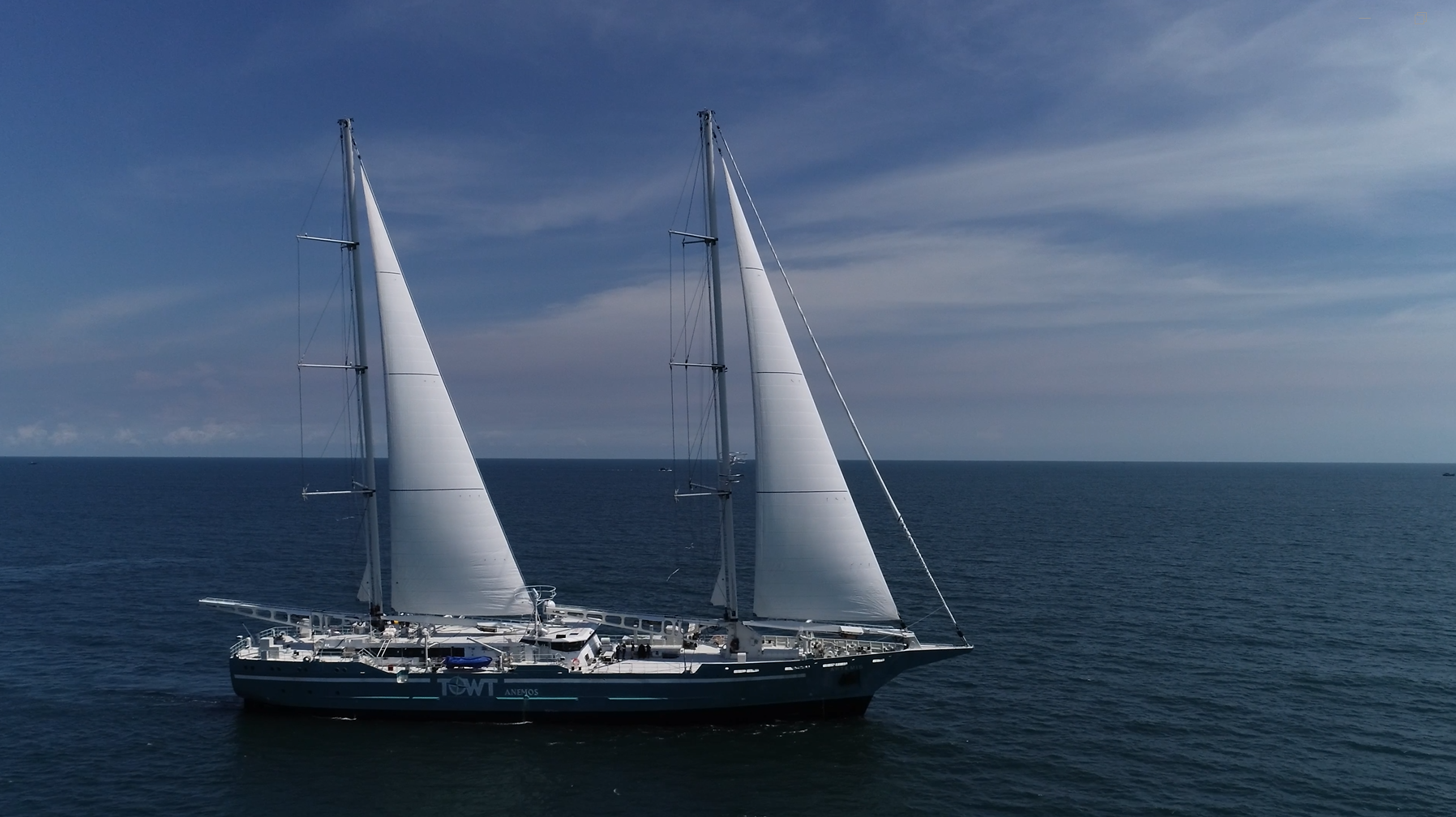
The cargo sail Artemis

 Flag: France

 Home port : Le Havre

 IMO : 9982938

 Type : Cargo

 Date start of construction : 15/11/2022

 Date end of construction : 02/08/2024

 Sail area : 3000 m2

 LOA (overall lenght) : 81,8 m

 Height : 65,7 m

 Capacity :
– 1000 palettes EURO (825 palettes US)
– 175 barrels
– 12 PAX (passengers)

Energy performance

85%
of CO2 for the entire journey
2.01g
of CO2 per tonne-kilometre

Port of departure: Pointe-à-Pitre

Country : Guadeloupe
City : Pointe-à-Pitre
Terminal : Quai Ferdinand de Lesseps
Coordonnées : 16.2352642033589, -61.53741324834913

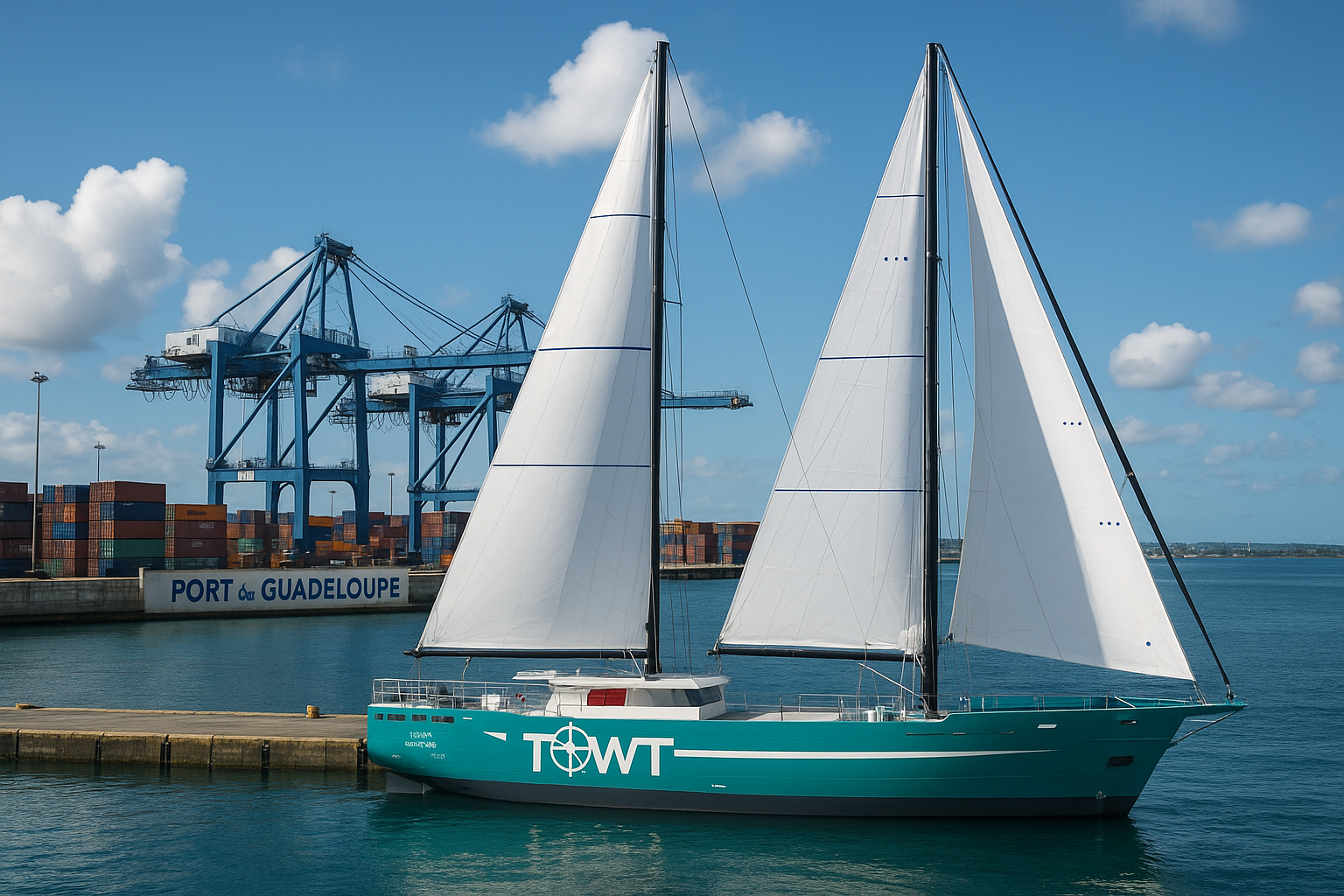
Pointe-à-Pitre, gateway to the Caribbean, is home to the Grand Port Maritime de la Guadeloupe — a vibrant hub where tropical trade winds and global routes meet. Steeped in colonial and maritime history, the port reflects the island’s enduring role as a crossroads between Europe, the Americas, and Africa.

Surrounded by mangroves and coral-rich waters, the port is more than an economic lifeline — it is a symbol of island resilience and cultural richness. While it handles the essential flows of goods for the archipelago, it also opens its quays to a new kind of navigation — one that honors the wind, the ocean, and the future.

As vessels under sail dock in Pointe-à-Pitre, the Grand Port Maritime becomes a bridge between tradition and transition — a place where the Caribbean’s past and a low-carbon future converge under the sun.
Port of arrival: Santa Marta

Country : Colombie
Ville : Santa Marta
Terminale : Première course n°10A-12
Coordonnées : 11°15’01″N 74°12’46″W

Santa Marta, the pearl of the Colombian Caribbean, is a vibrant city with an exceptional natural heritage. Nestled between the turquoise sea and the Sierra Nevada, it embodies a place where history and nature meet harmoniously. Renowned for its idyllic beaches and warm atmosphere, Santa Marta is a cultural crossroads where indigenous heritage blends with Spanish influences, offering an enchanting setting steeped in tradition.

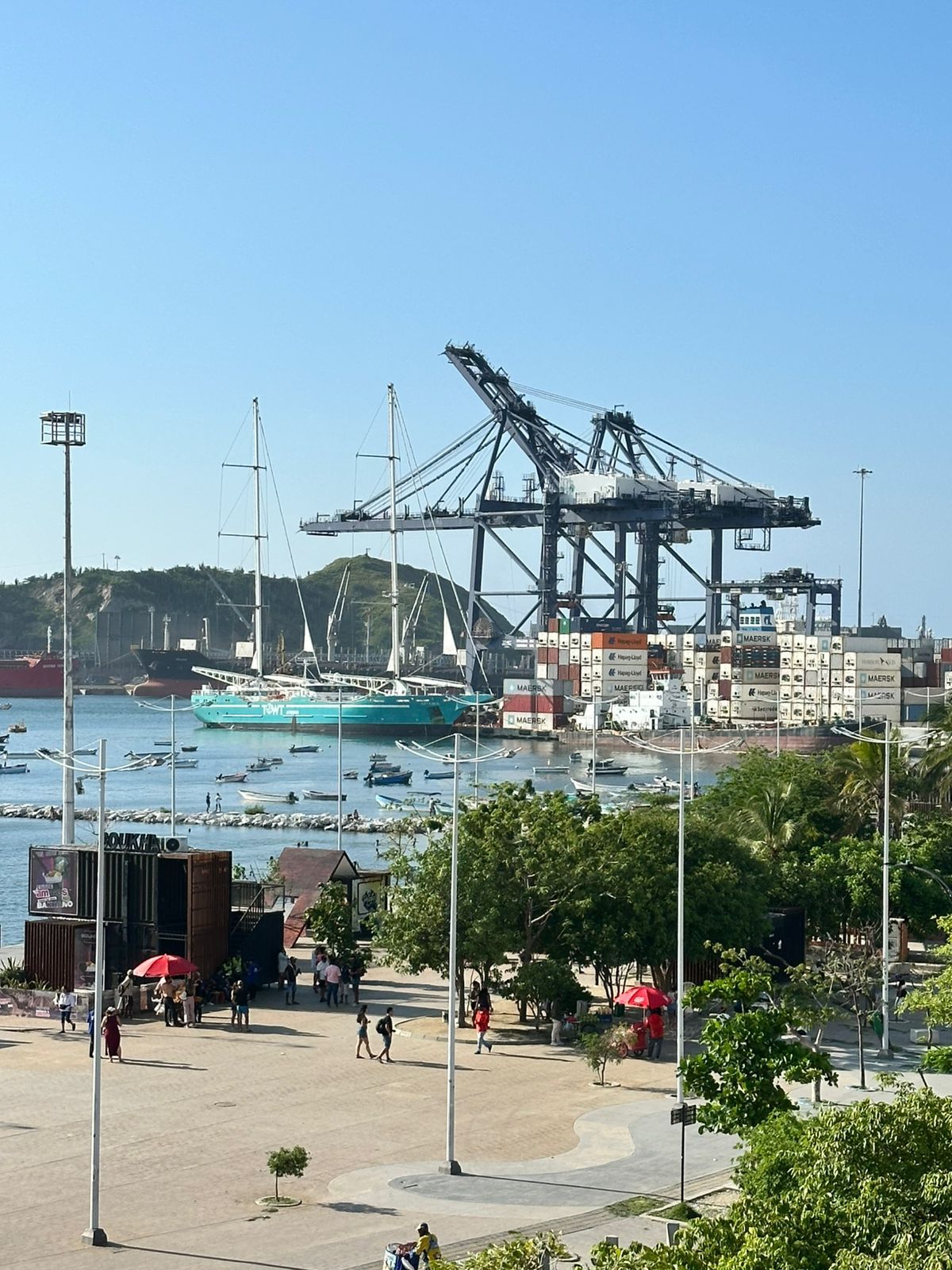
The port of Santa Marta, one of the most important in Colombia, is a strategic hub for international trade in Latin America. Located on the Caribbean coast, it is ideally positioned for regional and global trade. Renowned for its modern infrastructure, the port is committed to sustainable practices that preserve the surrounding marine ecosystem. Combining efficiency and respect for the environment, it reflects Santa Marta’s commitment to a greener and more responsible future.

The crew

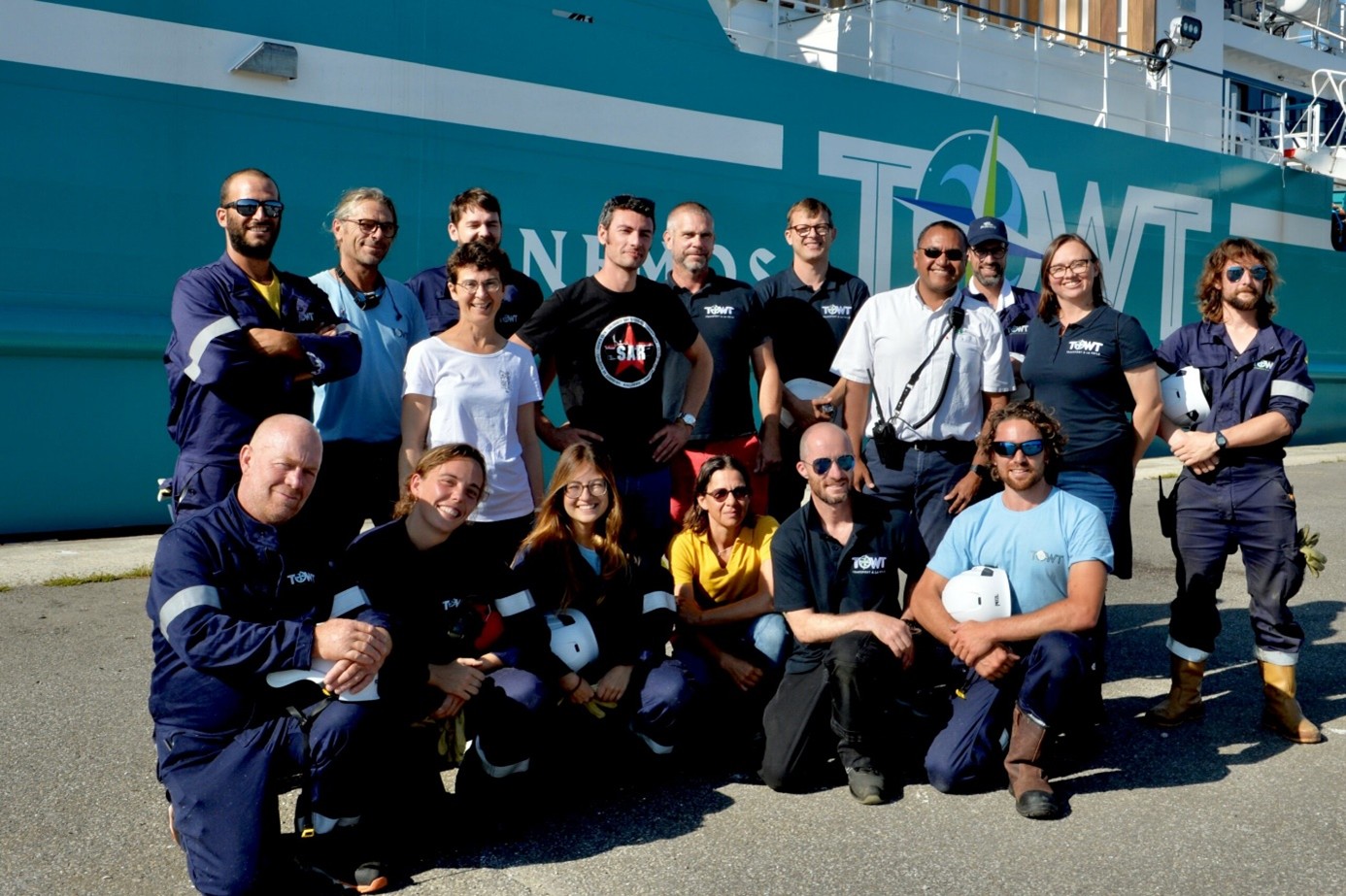
The Anemos crew is made up of 2 crews of between 7 and 9 sailors each, who rotate during a predefined sailing period. Each crew is made up of :

  • A commander
  • A chief engineer
  • A second captain
  • A lieutenant
  • An electrotechnical assistant (who will rotate according to the fleet’s needs)
  • A bosco (or boatswain)
  • One deckhand (2 if more than 4 passengers)
  • A cook

Some of chargers

Logbook
05.09.2025

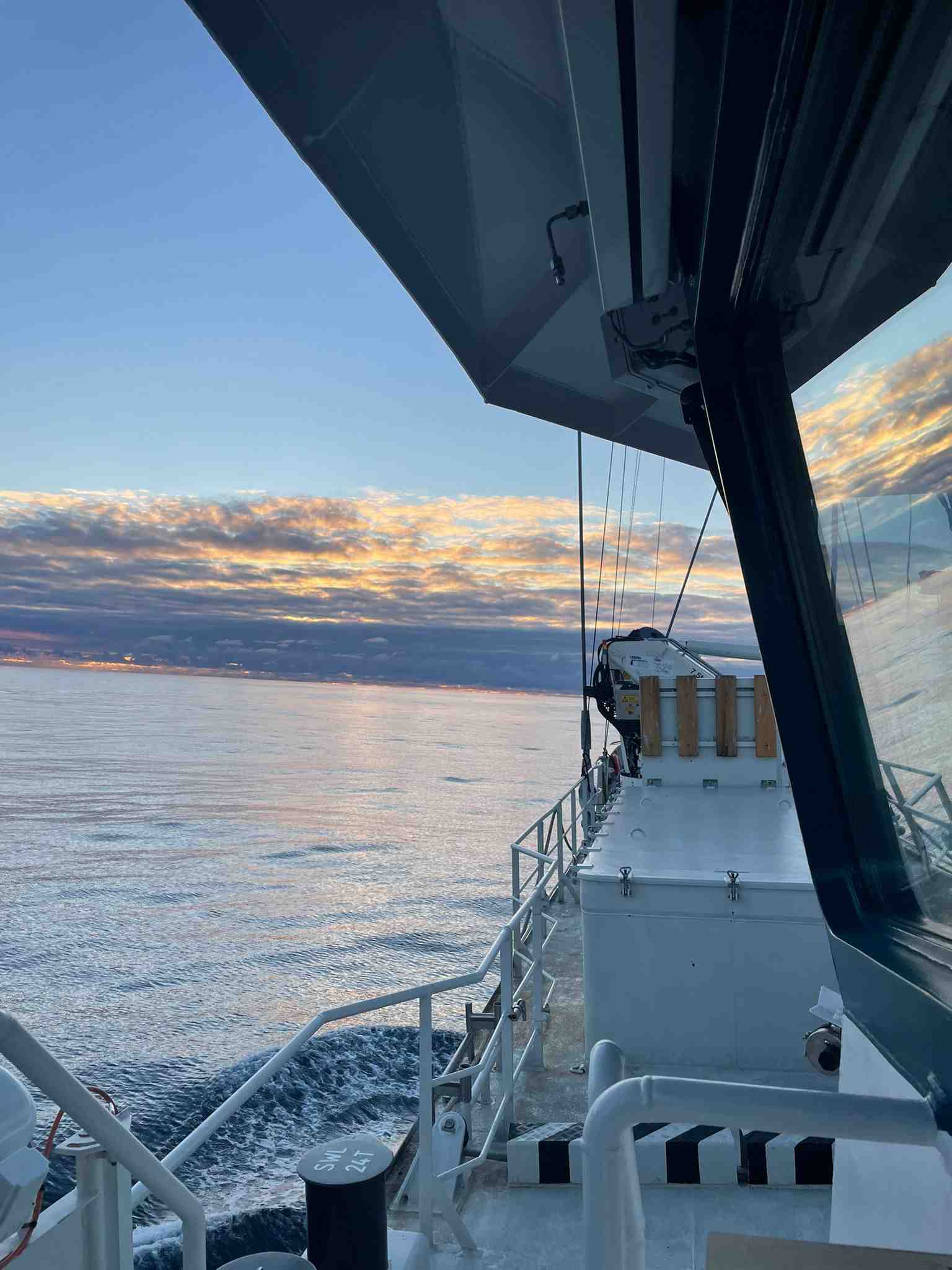
Back at sea

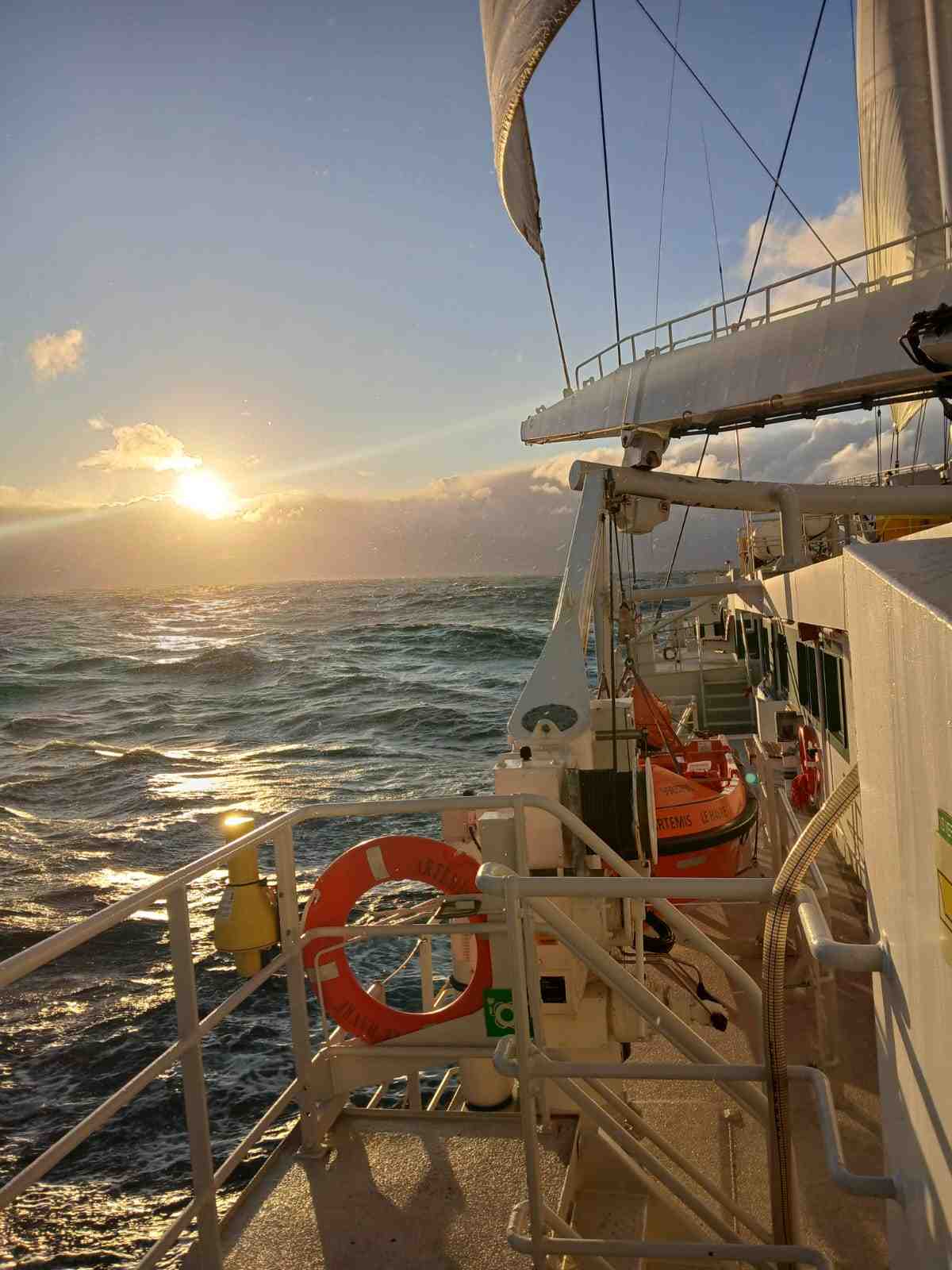
After her long journey from Fécamp to Pointe-à-Pitre, Artemis sets sail once again — this time bound for Santa Marta, Colombia. A new chapter begins under steady winds, carrying both crew and cargo across the Atlantic.

07.09.2025

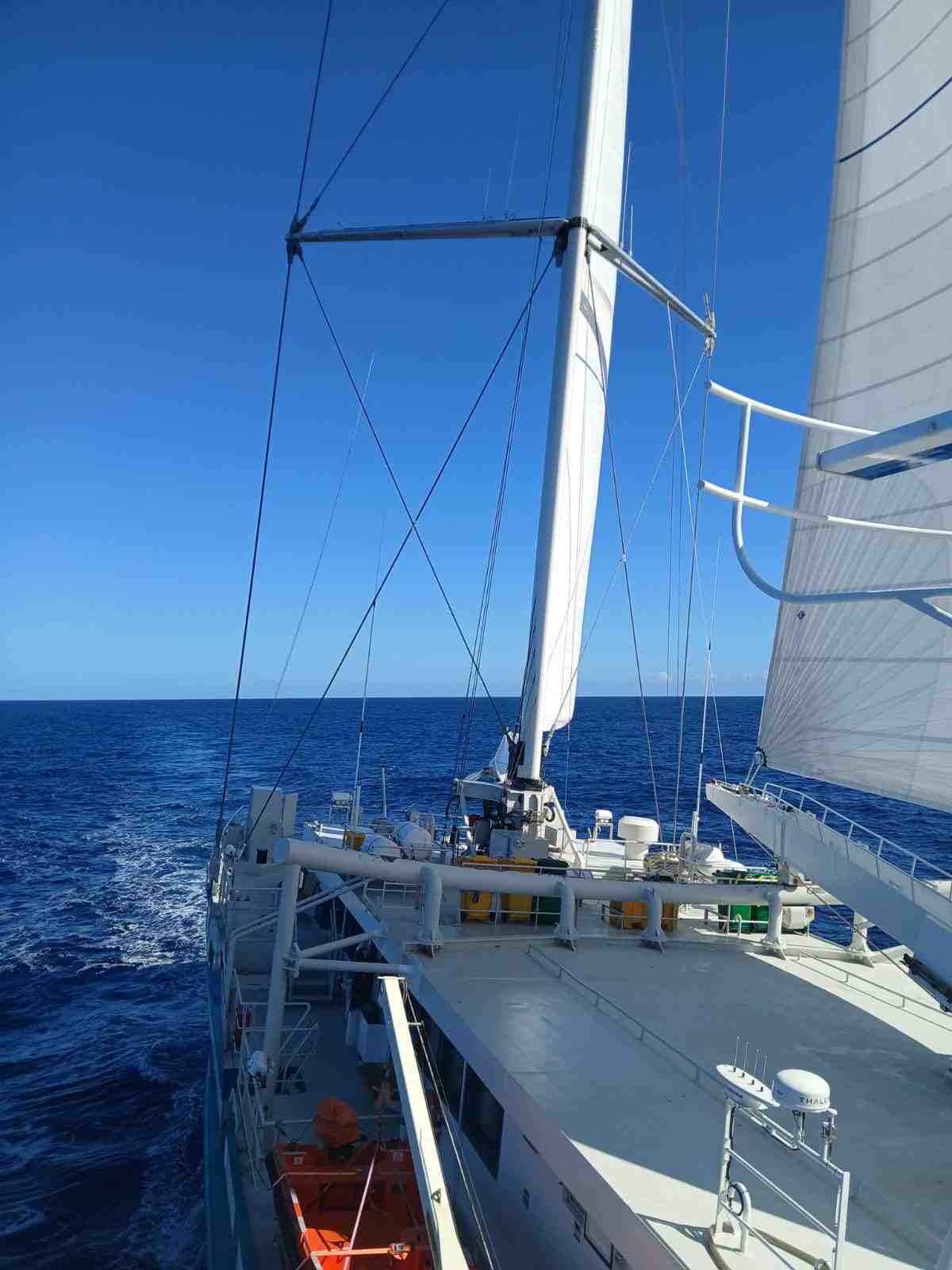
Clear skies ahead

With sails set and the horizon wide open, Artemis enjoys smooth conditions at sea. The clear skies and calm waters carry us steadily onward toward Santa Marta.

09.09.2025

Nearing the journey’s end

Under clear skies and steady winds, Artemis sails smoothly toward Santa Marta. With the horizon stretched wide before us, the voyage is drawing to its close.

10.09.2025

Arrival in Santa Marta

After days at sea, Artemis has safely reached Santa Marta. Moored at the quay, the ship marks the end of another successful crossing, ready to begin the next chapter of her journey.

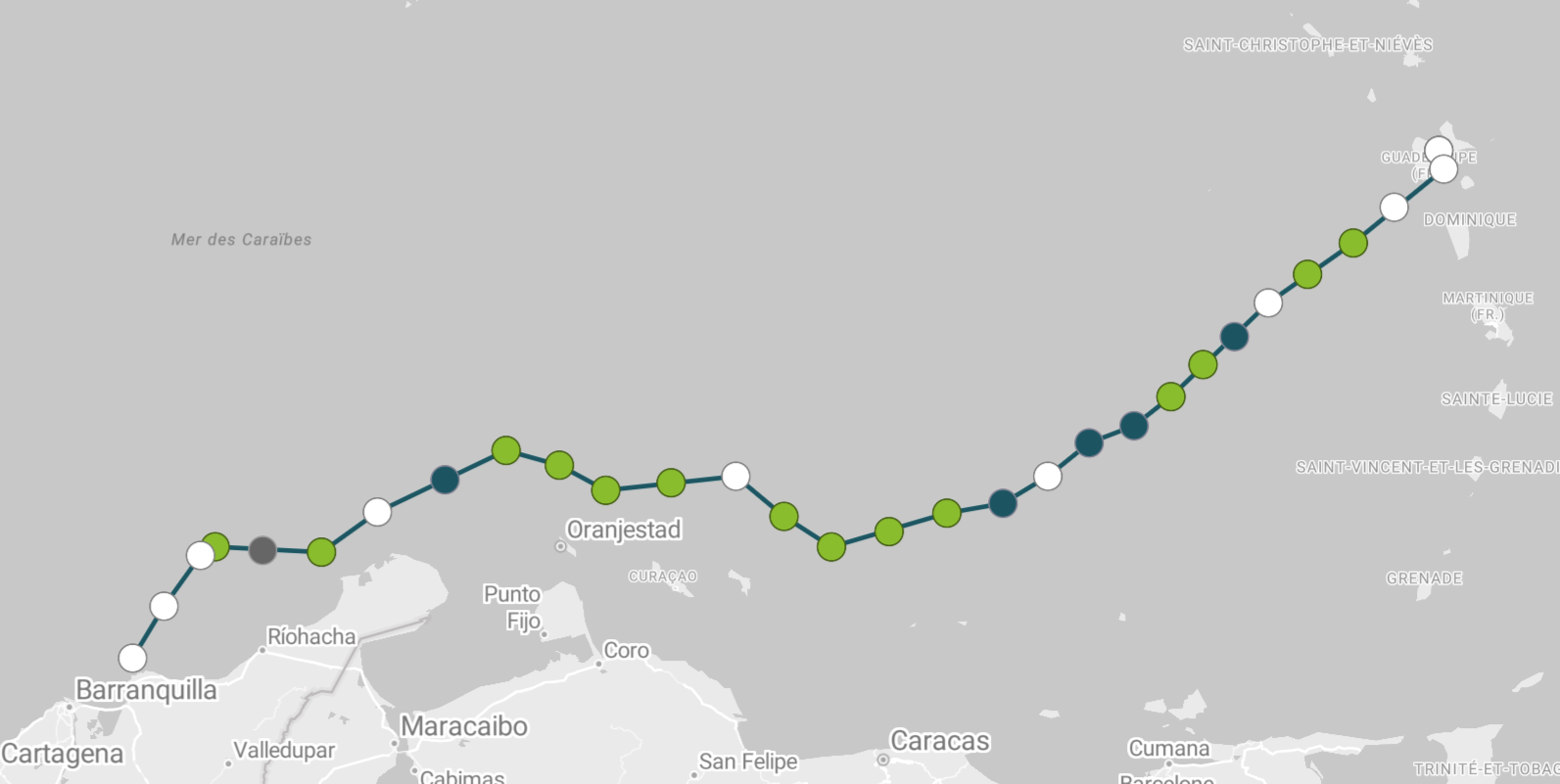
GPS track

🔵 Sail Assistance – Sail used as support; the engine can run, but the sail helps to propel the boat forward.
🟢 Sail Propulsion – The boat is powered solely by sail, with no engine, making it 100% green.
⚪️ Engine Propulsion – The motor is running, but the sail is not providing any (or very little) thrust.

Top of the pop